Best Tech Gadgets in 2026: Breakthrough Devices & Top Innovations
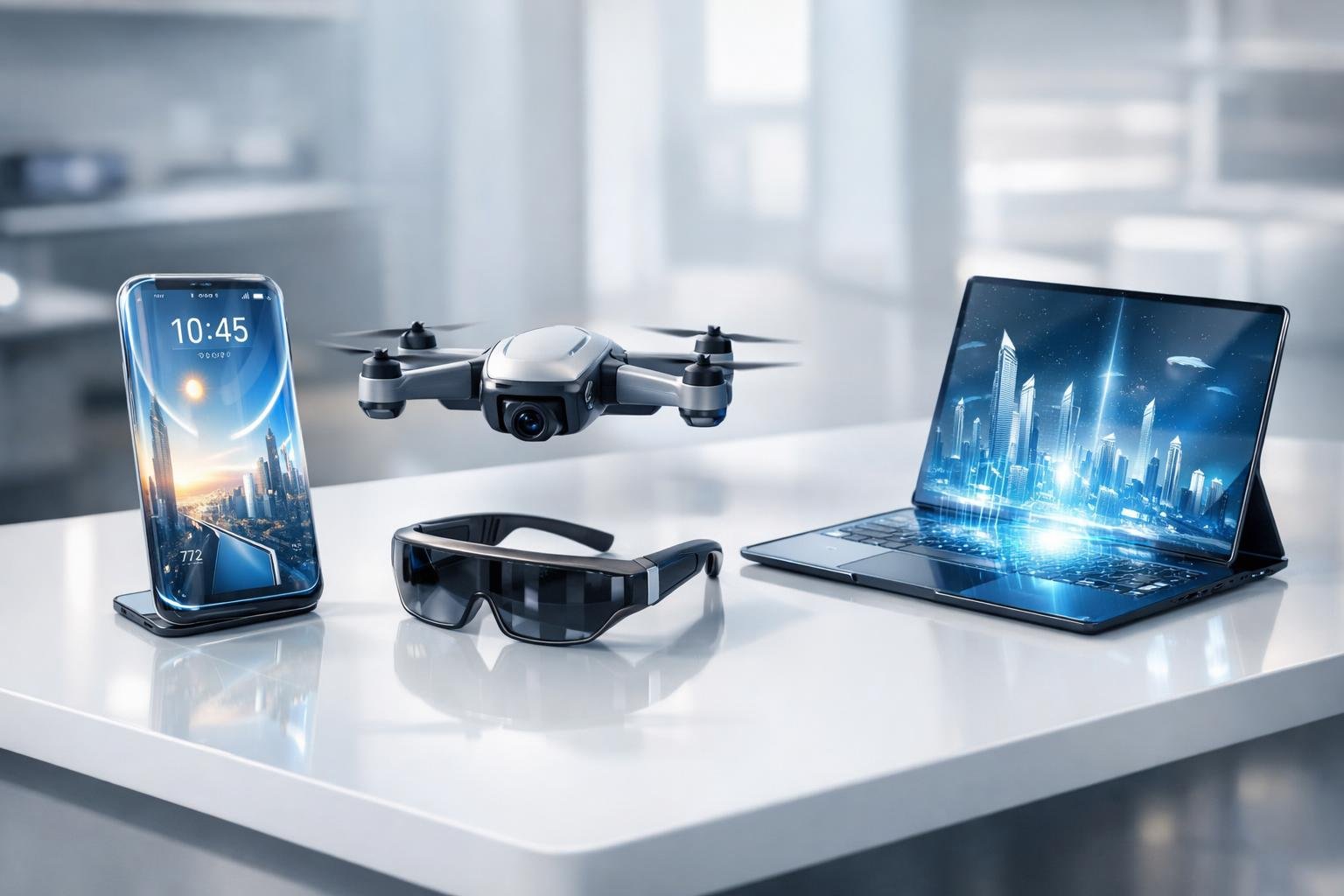
Tech in 2026 isn’t just about upgrades anymore—it’s about total reinvention. Screens stretch and fold in ways that honestly felt like science fiction not long ago. Devices seem to know what you want before you even say it. Your home quietly adapts to your routines, no programming required.
The best tech gadgets in 2026? Samsung’s Tri Fold phone, which opens up with three expanding panels. Lenovo’s ThinkBook Plus Gen 6 Rollable, a laptop with a screen that physically extends upward. Garmin’s Fenix 8 watch, tracking your performance with almost uncanny detail. These aren’t just minor tweaks—they’re changing how you use technology every day.
Devices now fit into your life instead of demanding your attention. Some wearables look just like regular glasses but deliver spatial audio. There are rings that monitor your metabolism. Laptops that literally change size depending on what you’re doing. The line between tool and environment? It’s getting blurry.
Key Takeaways
- Foldable and rollable displays are turning phones and laptops into flexible gadgets that adapt to how you use them
- Wearables have become nearly invisible—think smart glasses and rings with powerful features but no bulk
- Connected home systems and AI-powered gadgets now work together smoothly, making living spaces a lot smarter
Cutting-Edge Devices & Breakthrough Displays
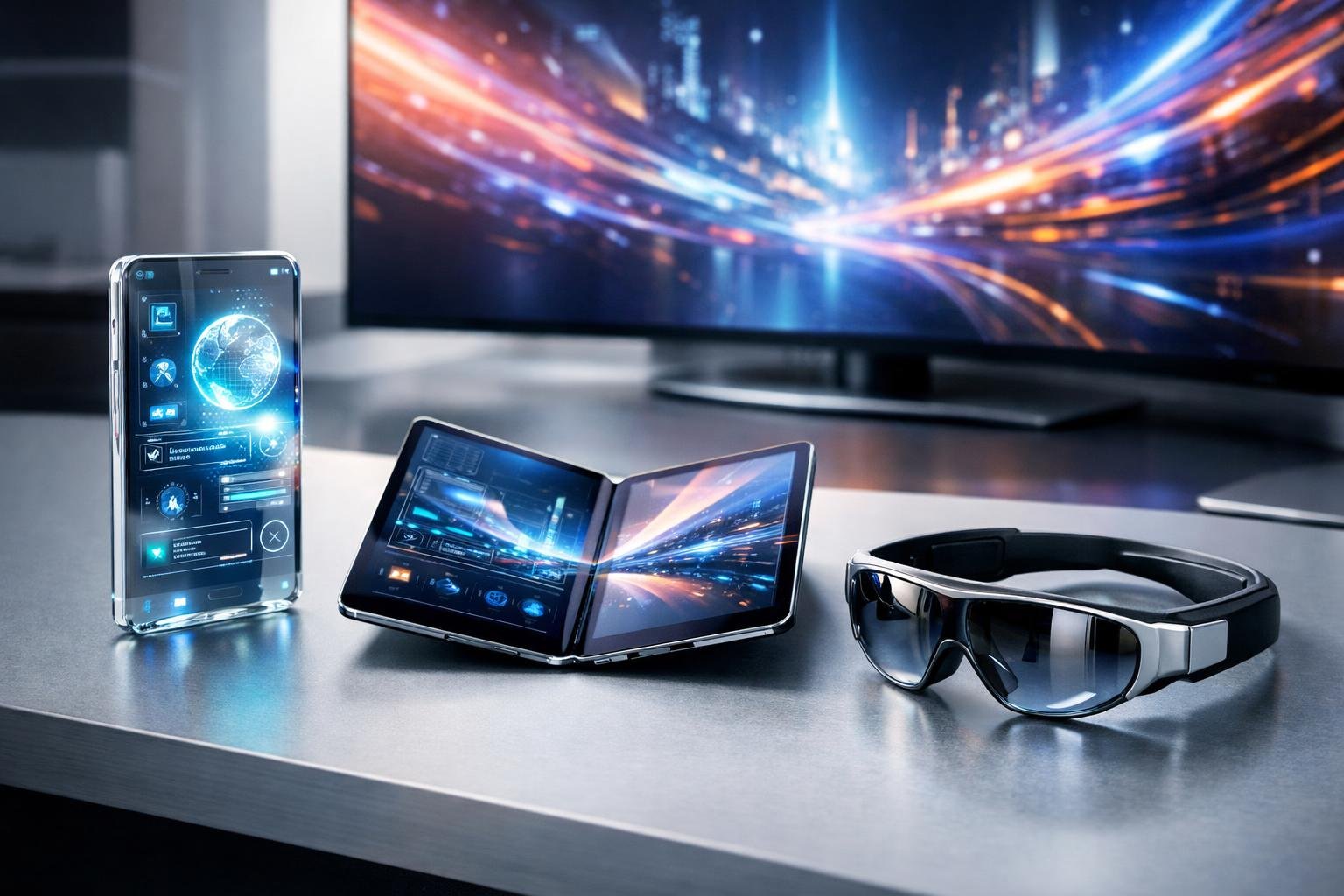
CES 2026 brought a wave of advances: wearables got smarter, displays got brighter, and compact audio systems now deliver surprisingly rich sound. Smart glasses gained new AI features. TVs hit brightness levels we didn’t think possible. Even desktop speakers got smaller and better.
Smart Glasses Revolution
Smart glasses aren’t just about notifications anymore. The latest models use AI assistants that recognize what you’re looking at and give you info in real time. You can ask questions about anything you see and get answers through bone conduction audio—no need for earbuds.
Manufacturers focused on all-day comfort. Glasses are lighter and battery life is up to 8-12 hours. They look almost exactly like regular eyewear, which finally solves the “techy” look problem.
Some standout features:
- Real-time translation overlays for both text and conversations
- Navigation directions right in your field of view
- Hands-free photos and videos using voice commands
- Prescription lens options
Ultra-Bright and Advanced TV Technology
The TCL X11L set a new standard with 10,000 nits peak brightness. That’s a huge jump from the old high-end TVs, which topped out at around 4,000-5,000 nits. HDR content looks wild—sunlight and explosions really pop now.
This brightness comes from mini-LED backlighting and thousands of dimming zones. You get deep blacks and brilliant whites in the same shot. And finally, you can watch TV in a bright room without losing detail.
Other brands showed off ultra-slim panels, under an inch thick. They mount almost flat to the wall, but still deliver great brightness and color.
Compact Active Speakers and Audio Excellence
The Edifier M90 proved that you don’t need big speakers for big sound. This desktop system fits right on your desk but sounds as good as much larger bookshelf models.
Active speakers come with built-in amps, tuned for their drivers. No need for extra gear or complicated setup. The M90 uses digital processing to tweak its sound based on your room—pretty clever.
Compact active speakers shine in:
- Small apartments
- Desks and workstations
- Bedrooms
- Nearfield listening
Most now offer wireless streaming, but you can still plug in for lower latency. You get the best of both worlds, really.
Smart Living and Connected Home Innovations
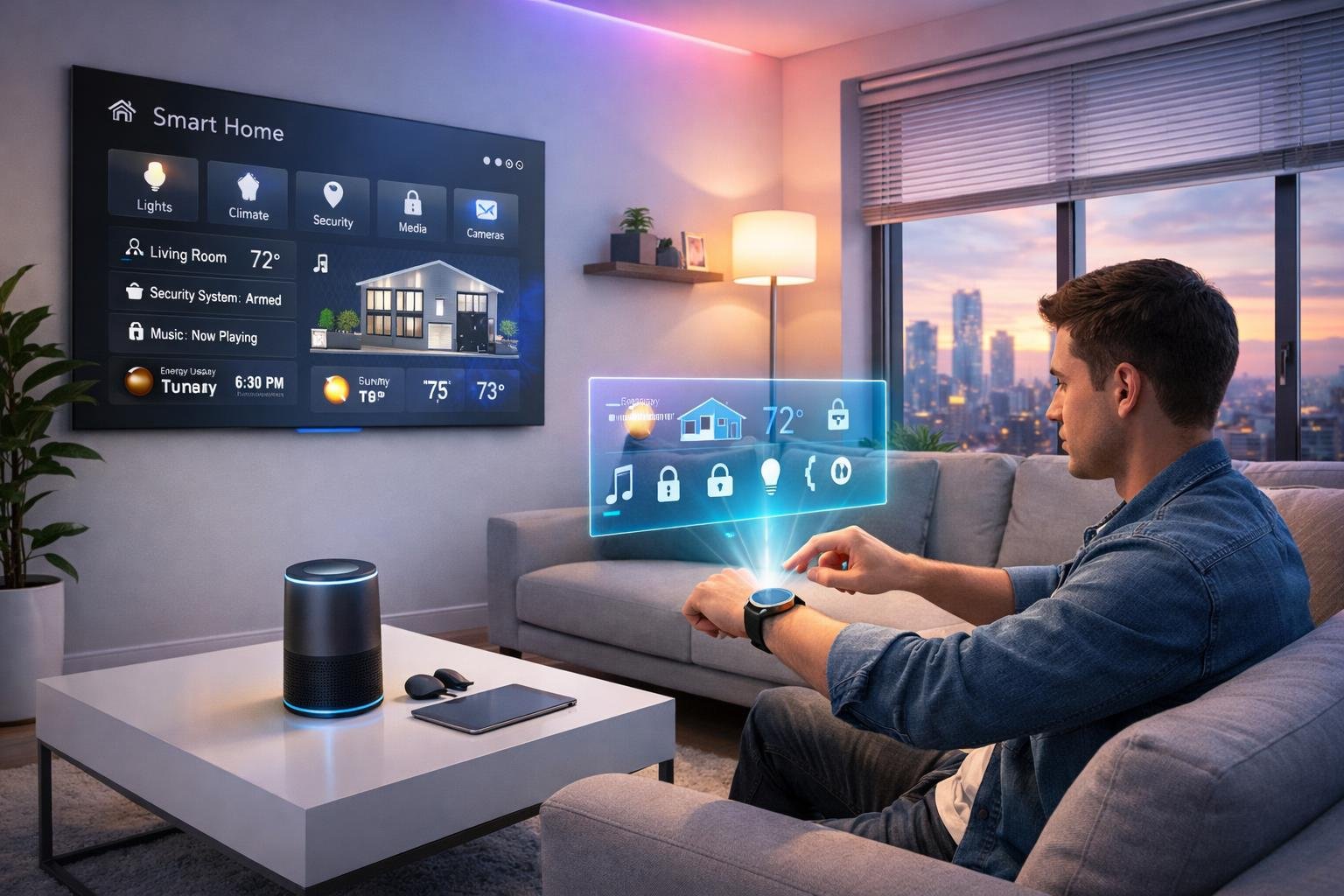
Smart home tech in 2026 is all about making life easier and more fun. New gadgets blend entertainment, robotics, and audio upgrades to make the everyday feel a bit more futuristic.
Interactive Smart Bricks for Creative Play
Smart bricks are a fresh take on connected toys. These blocks have sensors and wireless chips, so you can build things that light up, react to motion, or even act as controllers for games. Snap them together and they talk to each other, plus connect to apps on your phone or tablet.
The bricks respond to touch, movement, and even your voice. Build a tower that glows when you wave, or set up a new kind of game controller. Each block has LEDs that shift color depending on your build.
Parents love that kids learn basic coding while playing. The blocks grow with your child’s skills, and everything works offline for families who care about privacy—no need to upload creations to the cloud.
Home Robot Evolution
Home robots do a lot more than vacuum now. LG’s CLOi robot, for example, can fold laundry, load the washer, and put things in the oven. It controls appliances through Matter and Home Connectivity Alliance standards, acting as a hub for your smart home.
These robots are helpers, not full replacements. They move slowly and need clear floors to work safely. Their real strength? Orchestrating your smart appliances and handling the little tasks you might forget.
Battery life still matters. Most robots run for about 2-3 hours before heading back to charge.
Wireless Earbuds and Enhanced Noise Cancellation
Wireless earbuds in 2026 block noise better than ever, thanks to smarter algorithms and improved mics. They analyze your surroundings a thousand times per second, adjusting on the fly. Calls are clearer and music sounds great, even in noisy places.
Batteries last longer, too. Top earbuds now go 8-10 hours per charge with noise cancellation on, and the case adds another 30-40 hours.
Manufacturers finally nailed comfort. More ear tip sizes and new wing designs keep them secure during workouts, but still comfy for all-day use. Touch controls got better too—no more accidental pauses when you adjust them.
Frequently Asked Questions
With so many choices in 2026, it’s tough to know what matters. The right specs, the right ecosystem, and smart spending can save you a lot of hassle.
Which gadgets offer the best balance of performance, reliability, and value right now?
The Lenovo Idea Tab gives you good performance from £399, and it doesn’t skimp on usability. The screen is vibrant, the Android interface is clean, and multitasking feels snappy.
The Honor Magic 8 Pro starts at £899, packing in AI-powered photography and fast charging. Battery life impresses, and the hardware feels premium in hand.
As for wearables, the Ultrahuman Ring at £349 tracks sleep, recovery, and metabolism—without the bulk of a watch. It’s light, made of titanium, and you’ll probably forget you’re wearing it.
The Motorola Razr Ultra brings foldable nostalgia for £1,099, with a handy cover screen and solid cameras. It’s a fun mix of old-school and modern features in a compact shell.
What new features should buyers prioritize when comparing the latest smartphones and wearables?
AI photography is a must in 2026. Look for phones with computational zoom, image repair, and on-device processing—no more waiting for the cloud to fix your photos.
Foldables aren’t just flashy anymore. Samsung Tri Fold opens up for real multitasking, while the Razr Ultra’s cover screen lets you handle stuff without flipping it open.
For wearables, recovery metrics matter way more than step counts. The Whoop 5.0 looks at strain, heart rate variability, and sleep patterns to predict how ready you are. Garmin Fenix 8 goes deep on training readiness and recovery for athletes.
Battery life is still key. The Apple Watch Ultra 3 finally lasts for multi-day outdoor trips—no more constant charging.
Which smart home devices are most worth upgrading for better security, automation, and energy savings?
The Deco BE68 Whole Home Mesh Wi-Fi 7 System starts at £849 for three units and wipes out network congestion. You get fast, low-latency internet for streaming, gaming, and all your smart devices.
Wi-Fi 7 brings better security and smarter bandwidth management. Your network will prioritize important devices and cut down on interference automatically.
The Nighthawk M7 Pro, at about £899, offers portable, enterprise-level internet with multi-gig 5G. You won’t have to rely on flaky public Wi-Fi anymore.
Smart home gadgets now use universal standards, so they play nice together. Look for multi-ecosystem support to avoid getting stuck with one brand.
How do the newest laptops and tablets compare for productivity, creativity, and battery life?
The ThinkBook Plus Gen 6 Rollable, at £3,850, has a display that stretches up for more space—perfect for spreadsheets or timelines, without needing a bigger laptop.
The OLED panel extends smoothly, thanks to a tiny motor. Battery life holds up, even with the moving parts.
For creators, the Canon EOS R6 Mark III (from £1,050) delivers camera-level performance. Autofocus feels almost psychic, and burst shooting keeps up with fast action.
Tablets like the Lenovo Idea Tab focus on media and light work. Battery life is long, audio is immersive, and the whole thing’s easy to carry.
What should shoppers look for to avoid compatibility issues across ecosystems and accessories?
Multi-device connectivity is a lifesaver. The Jabra Evolve3 85 (£329) switches smoothly between your laptop and phone. No more missed calls or endless pairing.
Check for universal charging—USB-C or magnetic chargers are everywhere now and work across brands.
Cloud integration matters for wearables. The Apple Watch Ultra 3 unlocks and manages notifications within Apple’s world, while Android devices pair best with Google services.
Audio gear now often supports multiple Bluetooth connections. The Huawei FreeClip 2 (£180) handles two devices at once, so you can swap between work and personal calls without fuss.
Which emerging gadget categories are likely to become mainstream, and which are still not worth the cost?
Smart audio glasses are shaping up as real alternatives to earbuds. The Mijia Smart Audio Glasses, priced at £199, play focused sound right by your ears but don’t cut you off from your surroundings. Meta Glasses, starting at £299, add built-in cameras for easy, almost lazy content capture—maybe a little too easy?
Rollable displays feel like a genuine leap forward. The ThinkBook Plus Gen 6 Rollable stretches vertically when you need more screen, but somehow avoids feeling bulky. It’s kind of wild to watch in action.
Tri-fold smartphones, like Samsung’s Tri Fold, are still way up there in price—£2,899 and up. Sure, the engineering is wild, but honestly, who’s buying one at that cost?
Metabolic tracking rings such as the Ultrahuman Ring are catching on. You get a bunch of health data, skip the watch tan line, and the feedback actually helps with sleep and recovery—at least, that’s the idea.
Portable gaming devices like the Steam Deck (from £399) bring desktop-level games to your hands. You can move your game library over without much fuss, and the performance? Pretty close to what you’d expect from a regular console.