Visiting London: Essential Tips, Top Sights & Planning Advice
London’s got a wild mix of historic landmarks, world-class museums, and neighborhoods that buzz with life. Whether you’re in it for royal palaces, a West End show, or just poking around local haunts, there’s a corner of the city for everyone.
Planning your London trip doesn’t have to be a headache—if you know what to see, how to get around, and what to expect from the weather and locals. This guide’s here to help make it all a bit easier and, hopefully, more fun.
Let’s get into some practical tips for tackling London’s transport, how to snag tickets for big attractions, and ways to keep your spending in check. From your first ride on the Tube to your last stroll past Big Ben, you’ll be set up to soak in the best of London.
Key Takeaways
- London’s public transport makes it simple to hop between sights and neighborhoods
- Booking tickets ahead and hitting up free museums saves money
- The best time to visit? Depends if you want sun, fewer crowds, or special events
Planning Your Trip to London
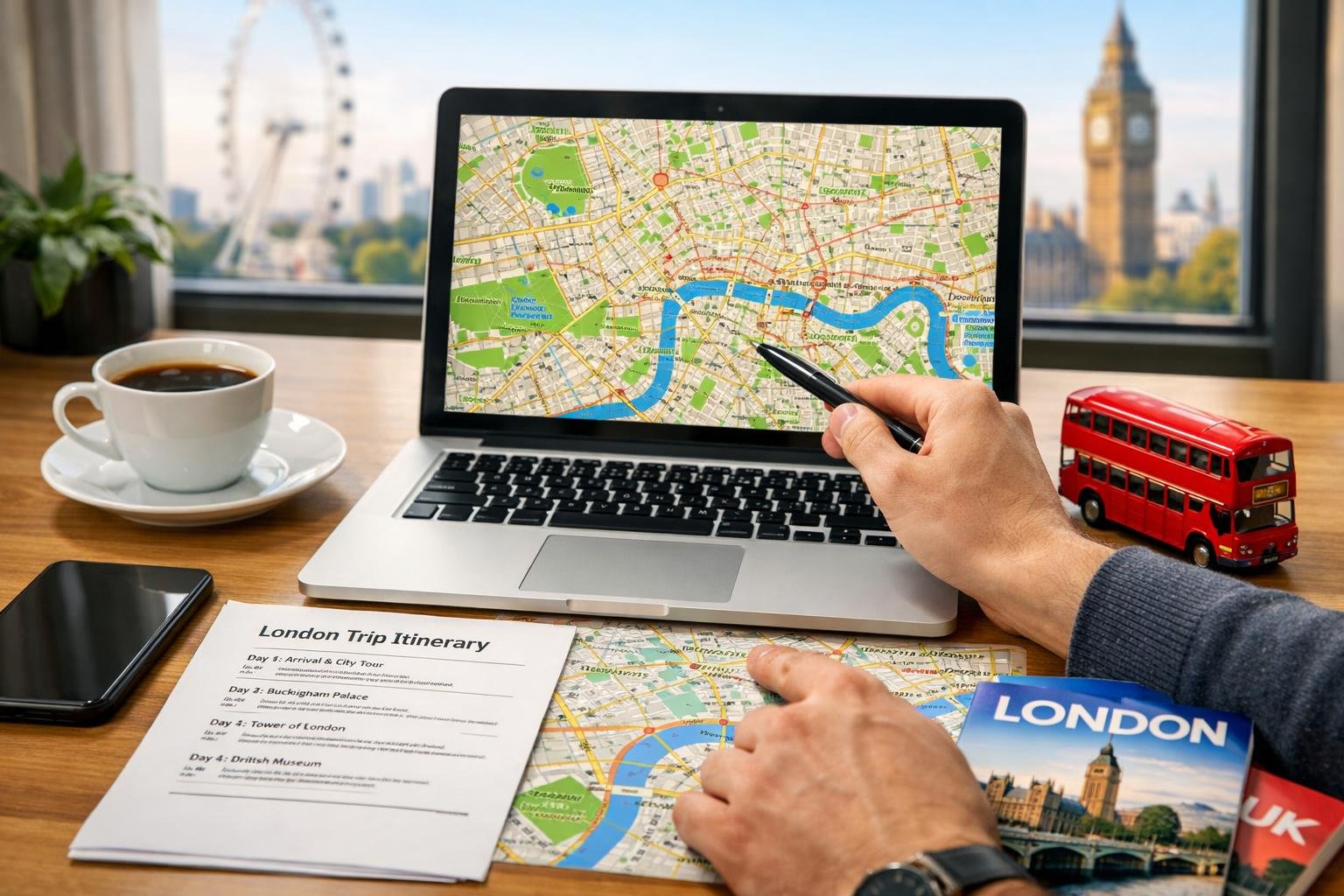
London’s easier to get around than most people expect. If you visit between April and June or in September and October, you’ll catch the best weather. Most folks fly into Heathrow or Gatwick. The Tube covers most of the city, and picking a hotel near a good station saves you a lot of hassle.
Best Time to Visit London
April to June brings mild weather, blooming parks, and longer daylight—perfect for first-timers who want to walk everywhere.
September and October mean smaller crowds and still-comfy temperatures. The summer crush fades, but it’s not dreary yet.
July and August? Sure, you’ll get the most sun, but also the thickest crowds and steepest prices. If you’re set on summer, book everything early.
November through March brings gray skies and rain. Hotels run cheaper, and the big sights feel less jammed. If you don’t mind drizzle, December’s holiday lights and markets have their own magic.
How to Get to London
Heathrow’s the main airport, about 15 miles west of central London. The Heathrow Express zips to Paddington in 15 minutes, but the Piccadilly Line on the Tube costs way less (just takes an hour).
Gatwick sits 30 miles south, with the Gatwick Express taking you to Victoria Station in half an hour. Stansted and Luton are up north; both are about an hour out by train or bus and tend to serve more budget flights.
London City Airport is the closest to the center—handy if you can swing a flight there. Southend’s the farthest, but sometimes you’ll find a bargain.
How to Get Around London
The Tube (London Underground) is your fastest bet for crisscrossing the city. It hits all the tourist hotspots and runs from early to late.
Grab an Oyster Card or just tap in with your contactless credit card—either way, you’ll get capped fares and don’t need to carry cash. Honestly, hardly anyone uses cash for buses or trains these days.
Try to dodge rush hour (6:30-9:30 AM and 4-7 PM) if you can. Sometimes, walking between close sights—especially near Westminster or Covent Garden—beats squeezing onto a packed train.
Red double-decker buses are cheaper than the Tube and let you actually see the city as you go. Night buses keep running after the Tube shuts down.
Where to Stay in London
Covent Garden and Westminster put you right by the big landmarks like Big Ben and Buckingham Palace. If it’s your first time, these spots are super convenient for sightseeing.
South Kensington’s got museums, leafy parks, and a quieter vibe. Families like it for the Natural History Museum and easy Hyde Park access.
Mayfair and Soho are all about upscale shopping and food, with quick Tube rides everywhere. South Bank, just across the Thames, offers modern hotels and sometimes better rates.
If you’re on a budget, check out King’s Cross or Paddington. Both have solid Tube links and cheaper hotels. Being near a Tube stop matters more than the exact neighborhood—you’ll be on public transport every day anyway.
Unmissable Things to Do and See in London
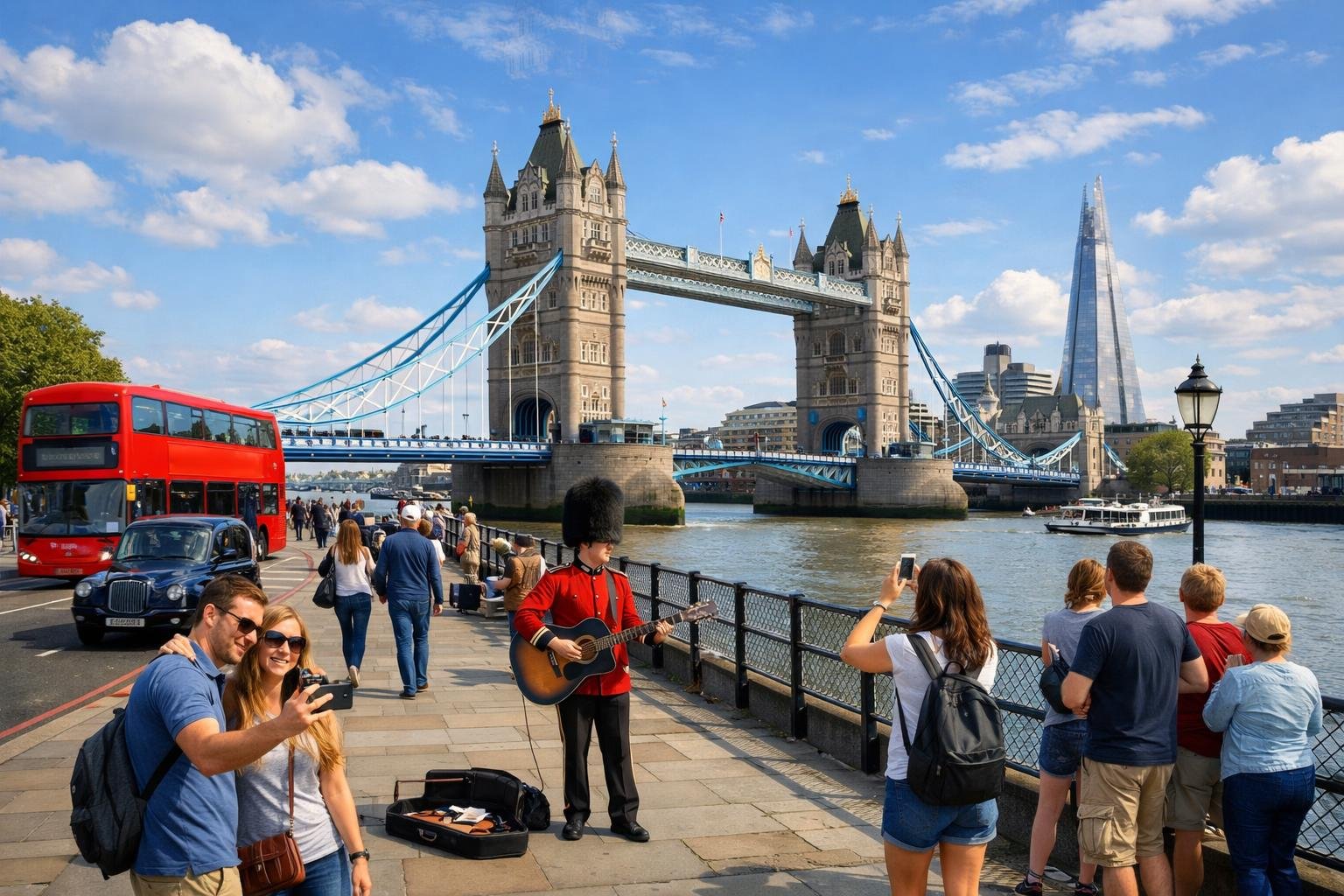
London’s packed with centuries of history, world-famous museums, and neighborhoods that each have their own personality. There’s everything from royal palaces and ancient towers to bold art galleries and chaotic markets—something for every mood, really.
Iconic Landmarks and Sights
The Tower of London is a must for history buffs. Built in 1078, it’s been a royal palace, prison, and treasury. You can check out the Crown Jewels and hear wild stories on a Yeoman Warder tour.
Westminster is all about British pomp. Westminster Abbey has seen coronations since 1066 and holds the tombs of monarchs and poets. The Houses of Parliament and Big Ben make up that classic London skyline. Snap your photos from Westminster Bridge.
Buckingham Palace is the monarch’s official home. The Changing of the Guard draws big crowds, and you can tour the State Rooms in summer.
The London Eye takes you up 135 meters for panoramic city views. On a clear day, you can see for miles. Each rotation is about 30 minutes—plenty of time to spot landmarks.
Tower Bridge gets mixed up with London Bridge, but you’ll know it from its towers and drawbridge. South Bank links up tons of attractions, and The Shard shoots up to 310 meters with epic viewing decks.
World-Class Museums and Galleries
The British Museum holds over 8 million pieces from all over the world—think the Rosetta Stone, mummies, and Parthenon sculptures. It’s free, which is wild considering the collection.
The Natural History Museum in South Kensington is famous for dinosaur skeletons, a massive blue whale, and hands-on exhibits. The Victorian building alone is worth a look.
The National Gallery at Trafalgar Square features Western European paintings from the 1200s to the 1900s. Van Gogh, da Vinci, Turner—it’s all here. Free entry makes it easy to pop in more than once.
Tate Modern turned an old power station into a modern art mecca. It’s right on South Bank, with big views of St Paul’s Cathedral. The art is bold, international, and sometimes a bit weird (in a good way).
The Churchill War Rooms are the preserved underground bunkers where Churchill ran WWII operations. Everything’s left just as it was in 1945.
Warner Bros. Studio Tour London is a treat for Harry Potter fans. You’ll walk actual sets like the Great Hall and Diagon Alley. Plan for three and a half hours—it’s huge.
Distinct Neighborhoods to Explore
Covent Garden mixes street performers, cute shops, and restaurants in old market buildings. The Apple Market’s good for crafts and antiques, and the piazza is always lively.
Notting Hill charms with pastel houses, indie bookshops, and Portobello Road market. Saturdays are the big market day—antiques everywhere.
South Kensington is museum central with the Natural History Museum, V&A, and Science Museum all close. Kensington Gardens and Hyde Park are perfect for a stroll or picnic. Kensington Palace (once Princess Diana’s home) now hosts royal exhibits.
Greenwich sits beside the Thames in East London. Stand on the Prime Meridian at the Royal Observatory or check out the Cutty Sark and Maritime Museum.
Camden Market is the spot for alternative fashion, vintage finds, and global street food. The vibe’s a little edgy, with live music and canal-side pubs.
Shoreditch and Dalston in East London show off street art, indie galleries, and hip restaurants. The neighborhoods have shifted from gritty to creative hotspots.
Mayfair is all about luxury hotels, high-end shopping, and historic townhouses. It borders Hyde Park and Piccadilly Circus.
Hampstead Heath gives you 320 hectares of parkland, swimming ponds, and sweeping views from Parliament Hill.
Local Markets and Unique Shopping
Borough Market near London Bridge is the city’s oldest food market. Grab fresh produce, artisan bread, and street eats from all over. Thursdays to Saturdays are best for the full vibe.
Portobello Road in Notting Hill runs for two miles with antiques, food, fashion, and vintage stalls. Saturday’s the main event with over 1,000 dealers.
Camden Market links several markets together—clothes, crafts, records, and food from everywhere. The Lock Market area highlights indie designers.
Oxford Street is department store central. Selfridges and Liberty are worth a look for their wild architecture and unique finds.
Covent Garden’s old market halls host craft stalls, jewelers, and specialty shops. The Apple Market is best for antiques and collectibles.
Charing Cross Road is heaven for book lovers, with Foyles, Waterstones, and quirky secondhand shops.
Leicester Square and Piccadilly Circus are the West End’s heart—think theaters, cinemas, and souvenir shops. The neon and crowds? Pure London energy.
Frequently Asked Questions
London draws millions every year, and honestly, most travelers ask the same things. The city’s got a sprawling transport network (Oyster cards are your friend), and the top sights? Historic landmarks, world-class museums—many are free, which still amazes me.
What are the top tourist attractions to visit in London?
The Tower of London stands as one of the city’s most historic landmarks, housing the Crown Jewels and nearly a thousand years of history. Tower Bridge sits nearby, with glass-floored walkways that let you look straight down at the traffic below—kind of a thrill if you’re not afraid of heights.
Buckingham Palace serves as the official residence of the Royal Family. You can watch the Changing of the Guard or, if you’re around in summer, tour the State Rooms.
The British Museum and the National Gallery both offer free entry to their permanent collections. St Paul’s Cathedral has impressive architecture, and you can climb up into the dome for some pretty great city views.
The London Eye gives you a 30-minute spin in enclosed capsules along the South Bank. Westminster Abbey hosts royal weddings and coronations, while Big Ben and the Houses of Parliament create that classic riverside London scene.
Which areas are recommended for accommodation when staying in London?
Westminster and the West End put you close to major theaters, shops, and sights like Trafalgar Square. These central spots aren’t cheap, but you’ll save time and probably skip a few Tube rides.
South Kensington has elegant streets near the Natural History Museum, Victoria and Albert Museum, and Science Museum. The area feels a bit more residential but still keeps you close to the action with solid transport links.
Covent Garden and Bloomsbury offer a mix of culture and convenience. There are plenty of restaurants, markets, and the British Museum nearby, plus great Tube connections.
Shoreditch and East London are popular if you’re into street art, markets, and nightlife, and they’re usually a bit easier on the wallet than central neighborhoods. The Underground makes it easy to get back to the city center from here.
How does one navigate the public transport system in London?
An Oyster card is the easiest and cheapest way to get around on public transport. Just pick one up at any Tube station and top it up for pay-as-you-go rides or add a weekly pass.
The Underground, or Tube, runs 11 color-coded lines connecting pretty much all of London. Most lines run from about 5:30 AM until midnight, and a few have Night Tube service on weekends.
Red double-decker buses cover routes the Tube misses. You can’t pay with cash on buses, so you’ll need an Oyster card or a contactless payment card.
Thames Clippers run riverboat services along the Thames, which can be a fun way to see the city while getting from A to B. Santander Cycles—those Boris Bikes—are scattered at docking stations across London if you want to rent a bike for a short trip.
What are the best museums and galleries to visit in London?
The British Museum holds over 8 million works, covering human history and culture from ancient Egypt to modern times. Admission to the permanent collection doesn’t cost a thing.
The National Gallery sits in Trafalgar Square and displays European paintings from the 1200s to the 1900s—think Van Gogh, da Vinci, Turner. Tate Modern focuses on international modern and contemporary art, all inside a converted power station.
The Natural History Museum features dinosaur skeletons, a famous blue whale model, and interactive exhibits about Earth’s natural world. The Victoria and Albert Museum showcases decorative arts and design spanning 5,000 years.
The Science Museum is packed with hands-on exhibits about scientific achievements and innovation. All these major museums offer free entry to their permanent collections, though you might have to pay for special exhibitions.
Where can one find traditional British cuisine in London?
Traditional pubs serve up classics like fish and chips, bangers and mash, and Sunday roasts with Yorkshire pudding. The Churchill Arms in Kensington and The Ivy are both solid bets, though they’re pretty different in vibe and price.
Borough Market is packed with food stalls selling British cheeses, pies, and baked goods, plus plenty of international options. It’s a good spot to sample local stuff or just grab a quick bite.
Afternoon tea runs the gamut from budget cafes to fancy hotels like The Ritz and Claridge’s. Expect tiered stands with finger sandwiches, scones with clotted cream and jam, and little pastries with your tea.
Pie and mash shops in East London keep a working-class tradition alive that goes back to Victorian times. Modern British restaurants like St. John and The Wolseley give old-school recipes a contemporary twist.
What should visitors be aware of in terms of local customs and etiquette in London?
Queuing really matters in British culture. You need to join the back of any line and just wait—don’t try to sneak ahead or push in.
Tipping isn’t quite the same as in some other places. Most restaurants expect 10 to 15% if they haven’t already added a service charge (often it’s 12.5% automatically). With black cabs, people usually just round up to the nearest pound—nothing fancy.
On escalators, it’s simple: stand on the right, walk on the left. This is especially true on the Underground and at train stations. If you block the left side, expect some annoyed looks.
Londoners keep it pretty quiet on public transport. You probably won’t hear many phone calls on the Tube or buses, and folks tend to talk in hushed tones—maybe it’s politeness, or maybe everyone’s just tired.
Tap water’s totally safe to drink in London. If you want water at a restaurant, just ask—they’ll give it to you for free. Bottled water? Only if that’s your thing.