Best Time to Visit Goa: Seasons, Festivals, and Travel Tips
Goa’s stunning beaches and lively culture bring in millions every year, but picking the right time to visit? That can really change your trip. The weather, crowds, and things to do swing a lot from month to month. If you know when to go, you can dodge the monsoon and get more for your money.
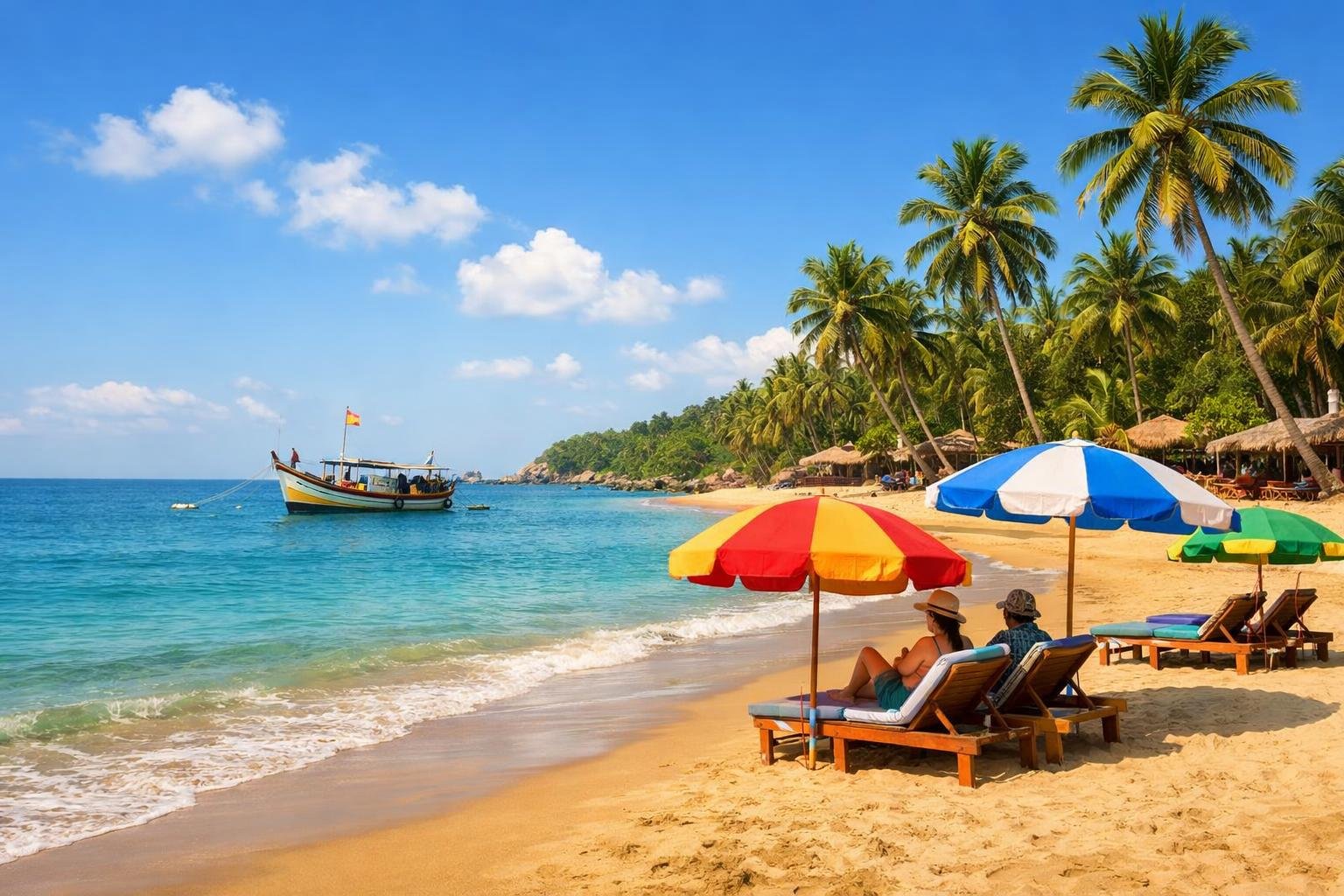
Honestly, the best time to visit Goa is from November to March. It’s the dry season, so you get sunny skies, warm days, and all the beach clubs are buzzing. Temperatures hang out near 90°F, and the Arabian Sea brings in a nice breeze. You might catch the Sunburn Festival in December or Goa Carnaval in February or March—both are huge events.
When to go really depends on what you’re after. Want some peace and lower prices? April and October are solid—good weather, not too many people. The monsoon from June to September? Expect heavy rain, closed beaches, but super cheap deals if you don’t mind skipping the sunbathing.
Key Takeaways
- November to March: Best weather, all festivals and nightlife in full swing
- April and October: Decent weather, fewer crowds, better prices
- June through September: Monsoon hits hard, most beach stuff closes down
Understanding the Best Time to Visit Goa
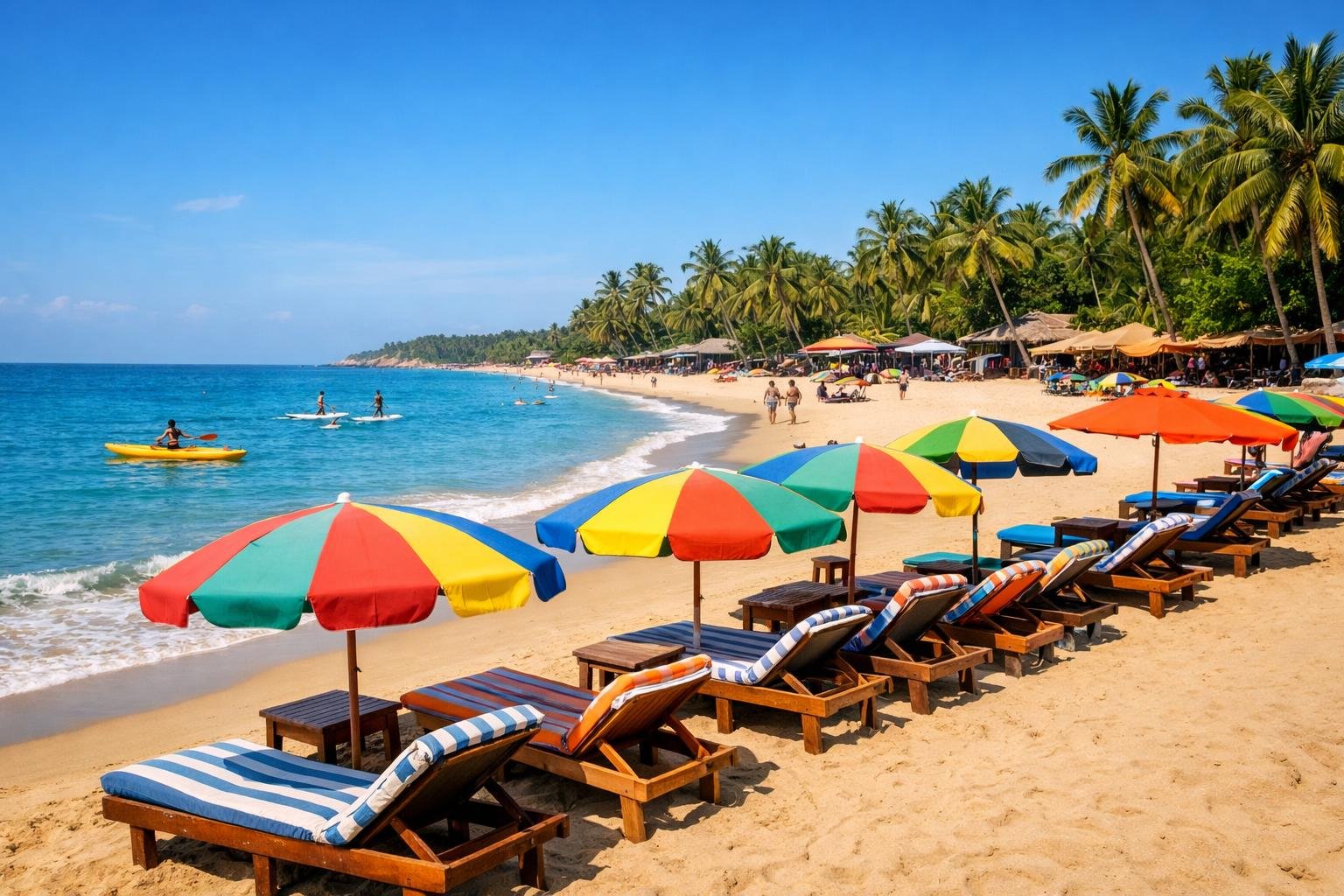
Goa’s vibe shifts a lot depending on the season. Weather, crowds, and even what you can do change fast. Your trip can feel totally different depending on the month you visit.
Goa’s Climate and Seasons
Goa basically has three seasons. November to March is the dry season—think 32°C (90°F), barely any rain, and lovely breezes off the sea. That’s prime beach time.
April and May get hot. Temperatures push up to 34°C (93°F), and the humidity cranks up. Beaches are still open, but honestly, it can feel sticky and a bit much during the day.
Then comes the monsoon, June to September. Heavy tropical storms roll in, sometimes flooding roads and shutting down beaches. Swimming? Not a great idea—currents get rough. Places like Arambol and Morjim go pretty quiet.
January is usually the sunniest, barely a cloud in the sky. Dudhsagar Waterfalls really puts on a show after the monsoon with all that extra water.
Peak Tourist Season: November to February
This is when Goa is at its most energetic. The weather stays comfy, 20°C to 33°C (68-91°F), and the rain basically disappears. January? Loads of sunshine, barely a gloomy day.
Beach clubs, parties, and nightlife are all in full swing. Sunburn Festival in December and Goa Carnaval in February pull in people from everywhere. New Year’s Eve? The whole coast turns into one massive party.
December brings out Christmas celebrations, thanks to Goa’s big Christian community. Historical sites like Fort Aguada get packed. North Goa beaches—Morjim, Arambol—are buzzing with travelers after that famous party vibe.
But be warned: hotels and flights get pricey. If you want a deal, book months ahead. Otherwise, you’ll pay a premium.
Off-Season and Monsoon Months
June to mid-September is rough for beach lovers. Heavy rain, wild seas, and lots of places just shut down. Swimming gets dangerous, and you might find whole stretches of coast empty.
Many hotels and resorts close up shop for the season. Flooding and power cuts aren’t rare. It’s hot—24°C to 32°C (75-90°F)—and the humidity can be a pain.
April, May, and October are the in-between months. Not as crowded as peak season, but the weather is still okay. April can get hot, but it’s manageable. October is that sweet spot as the rain eases and temperatures drop back down to 23°C to 32°C (73-90°F).
Weather Considerations and Budget Planning
When to visit Goa really comes down to your priorities. November to February is the dream for perfect weather and nightlife, but you’ll pay more for everything. Flights and hotels? Not cheap.
If you’re watching your wallet, May through October is your window. Prices on rooms and flights drop a lot. You can book last minute and still get a deal because businesses are eager for guests.
March to May and October to November are those middle-ground times—prices aren’t sky-high, and the weather’s still good enough to enjoy the beach without the crowds. Dudhsagar Waterfalls is especially impressive in October, right after the rains.
Tailor your trip to what you want. Party people should stick to November through March. If you love nature, the post-monsoon months are lush and green. Water sports? October to April is your best bet for calm seas.
Unique Experiences by Season in Goa
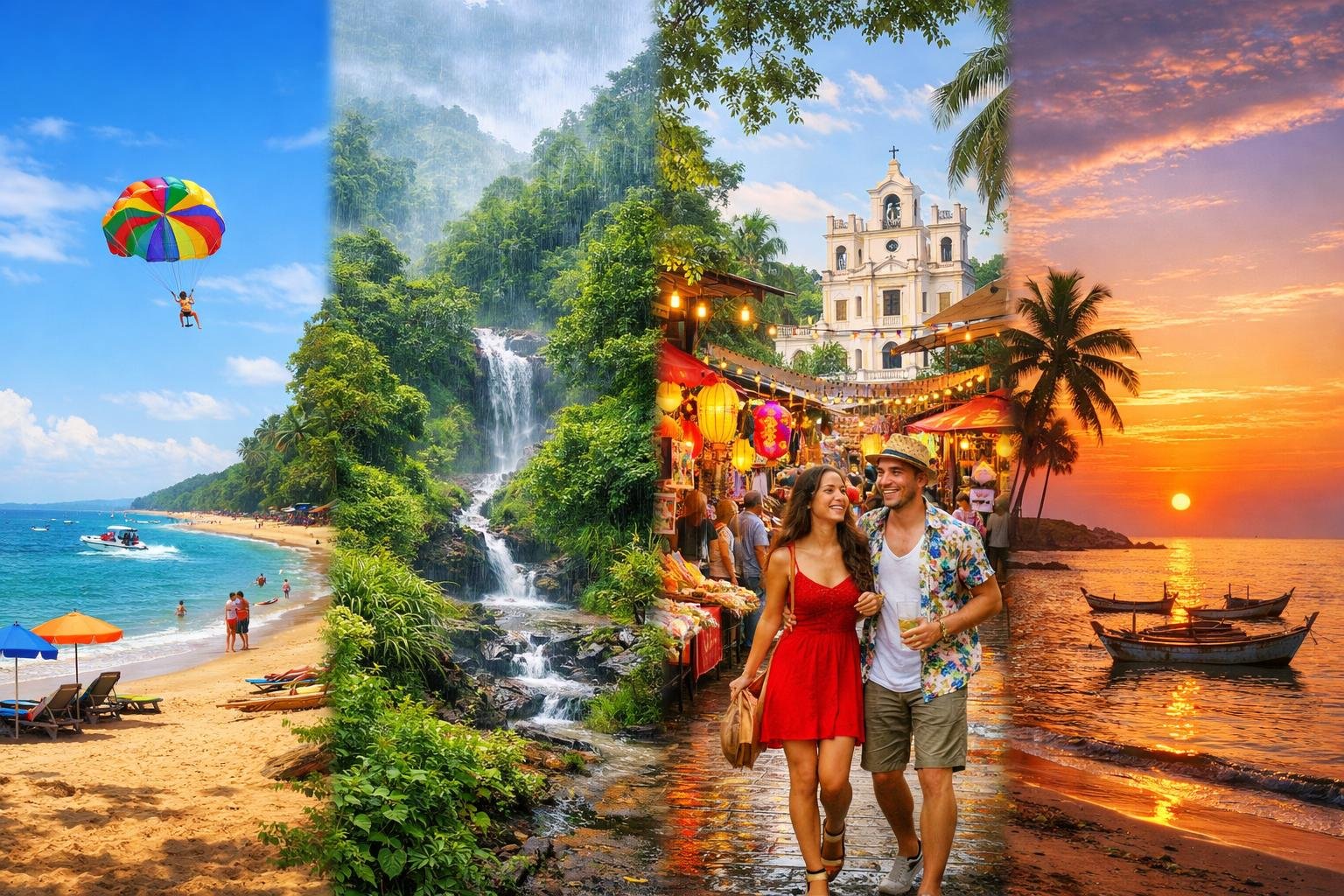
Goa changes its stripes every season. Sometimes it’s all about wild festivals and music, other times it’s quiet markets and green landscapes. What you’ll get depends on when you show up.
Festivals and Events: Sunburn, Goa Carnival, Shigmo
Winter is festival central. Sunburn Festival lights up December with huge crowds and international DJs. If you’re there in February, Goa Carnival is a wild, four-day street party—parades, music, costumes, the works. It kicks off Lent and turns cities like Panaji and Margao into a blur of color.
Shigmo (Goa’s Holi) usually lands in March. It’s all about local culture—folk dances, processions, people dressed as horsemen and warriors. If you’re into unique traditions, this one’s a treat.
Summer and monsoon? Not many big festivals. June has São João—locals jump into wells and streams to celebrate the rain. Fewer tourists means you can catch smaller temple festivals and village parties up close. It’s more intimate, less spectacle.
Cultural Highlights: Goan Cuisine and Local Attractions
The food scene shifts with the season. Winter brings fresh seafood—kingfish, pomfret, all the good stuff. Dishes like fish curry rice and prawn balchao are everywhere. Christmas? Expect sweet treats like bebinca. Beach shacks are open and lively, serving everything from vindaloo to grilled lobster.
Summer is all about fruit—mangoes, cashew apples, coconuts. Locals whip up kokum sherbet to beat the heat. It’s sweet, tangy, and super refreshing.
Monsoon flips the menu. You’ll find comfort food like patoleo (steamed rice cakes) and mushroom xacuti made with wild mushrooms. Pork sorpotel with sannas is a rainy-day classic. Rainy weather means more time indoors, which honestly is perfect for trying out family-run Goan restaurants off the beach.
Transport and Getting Around: Using Goamiles
Peak season means you need to plan your rides. Renting a scooter is the easiest way to hop between beaches—from Morjim down to Palolem. But traffic near Baga and Calangute? It gets messy in winter. GoaMiles, the local ride app, is handy for late nights or when you want some AC on the way home.
Summer makes driving easier. Fewer cars, cheaper scooter rentals, and open roads. It’s a great time to take a self-drive car to South Goa or check out Arambol for its chill vibe.
Monsoon changes the game. Wet roads make scooters kind of risky, so taxis or GoaMiles are safer. Ferries run less often in heavy rain. If you’re heading to Dudhsagar Waterfalls, go by car—it’s safer and you’ll stay dry.
Sightseeing Hotspots: Basilica of Bom Jesus and More
Winter is perfect for outdoor sights. The Basilica of Bom Jesus in Old Goa is a UNESCO gem, and while it can get crowded, early mornings are peaceful. Fort Aguada has killer coastal views that look amazing under clear winter skies.
Summer means you need to time your visits. Go early or late to avoid the heat. The basilica stays cool inside, even when it’s roasting outside. Museums and spice farms are good midday escapes.
Monsoon brings out Goa’s wild side. Dudhsagar Waterfalls turns into a roaring wall of water—seriously impressive from June to September. Heritage sites like the Basilica of Bom Jesus are way less crowded, so you can actually take your time and soak in the details.
Frequently Asked Questions
Goa’s weather and seasons give you totally different trips, depending on when you go. November to February is peak season—great weather, lots happening. June to September? That’s the monsoon, with heavy rain and way fewer tourists.
What is the peak tourist season in Goa?
Peak season runs from November to February. You’ll get pleasant weather, 20°C to 30°C, and barely any rain.
It’s the busiest time—beaches are lively, shacks are open, nightlife is at its best. If you want action, this is when to come.
But be ready for higher prices on hotels and flights. December gets especially hectic with Christmas, New Year, and music festivals.
When is the monsoon season in Goa, and how does it impact travel plans?
Monsoon hits from June to September. These months bring a ton of rain—sometimes up to a meter in a single month.
You’ll see fewer sunny days and about 20 rainy days each month. Winds can get pretty strong too.
Swimming isn’t safe—currents are rough. Beach shacks close up, and water sports usually stop for the season.
On the plus side, the landscape turns super green. If you don’t mind the rain, you get lower prices, fewer people, and a quieter vibe.
Which months are considered the most ideal for beach activities in Goa?
November through March is best for the beach. It’s dry, sunny, and the sea is calm.
All the water sports—parasailing, jet skiing, banana boats—are running. Beach shacks are in full swing, so there’s always something going on.
October works too, as the rains fade and the weather perks up. April is still decent for the beach, but it does get pretty hot—around 35°C.
How does the weather in Goa vary between the winter and summer seasons?
Winter in Goa, from November to February, feels a lot cooler—temperatures hover between 20°C and 30°C. Humidity drops off, and the sky usually stays clear. Rain is rare during these months.
Come summer, which runs from March to May, things heat up fast. Temperatures can shoot past 35°C, especially in April and May. The sun gets pretty relentless, and humidity climbs back up.
It’s a big shift from winter’s easygoing vibe to summer’s intensity. Sure, ocean breezes sometimes take the edge off in the evenings, but during the day, the heat really makes itself known.
When can travelers experience Goa’s famous festivals and cultural events?
The Goa Carnival pops up every February, bringing wild parades and beach parties. For a few days, the streets are packed with music, dancing, and bursts of color everywhere you look.
On June 24, São João Festival turns the monsoon into a party—locals literally dive into wells and streams. It’s a quirky, joyful tradition unique to the region.
December is stacked: the Sunburn Festival draws massive electronic music crowds, while Christmas and New Year celebrations turn the whole place into one big party. Ganesh Chaturthi, usually in August or September, fills Goa with processions and religious festivities.
And then there’s Bonderam Festival in August—think flag parades, mock battles, and a real sense of local pride. It’s not the biggest event, but it’s got plenty of character.
What are the off-peak periods for tourism in Goa, and what advantages do they offer?
The off-peak periods in Goa stretch from March to May and again from June to September. During these months, hotels, resorts, and flights tend to cost a lot less—sometimes surprisingly so.
March to May gets pretty hot, but you won’t be fighting crowds. It’s a great time to wander through forts, old churches, or spice plantations at your own pace, without bumping into tour groups every few minutes.
When the monsoon hits from June to September, Goa slows down even more. Prices for places to stay drop further, and you’ll notice a more laid-back, local vibe. Honestly, it feels like a different world compared to the high season.
Beaches during these months? Almost empty. That’s rare for Goa. Of course, you’ll have to deal with the heat or the relentless rain, depending on when you go, but there’s something nice about having that kind of space to yourself.